
Career Pathways
Quality and Compliance Roles
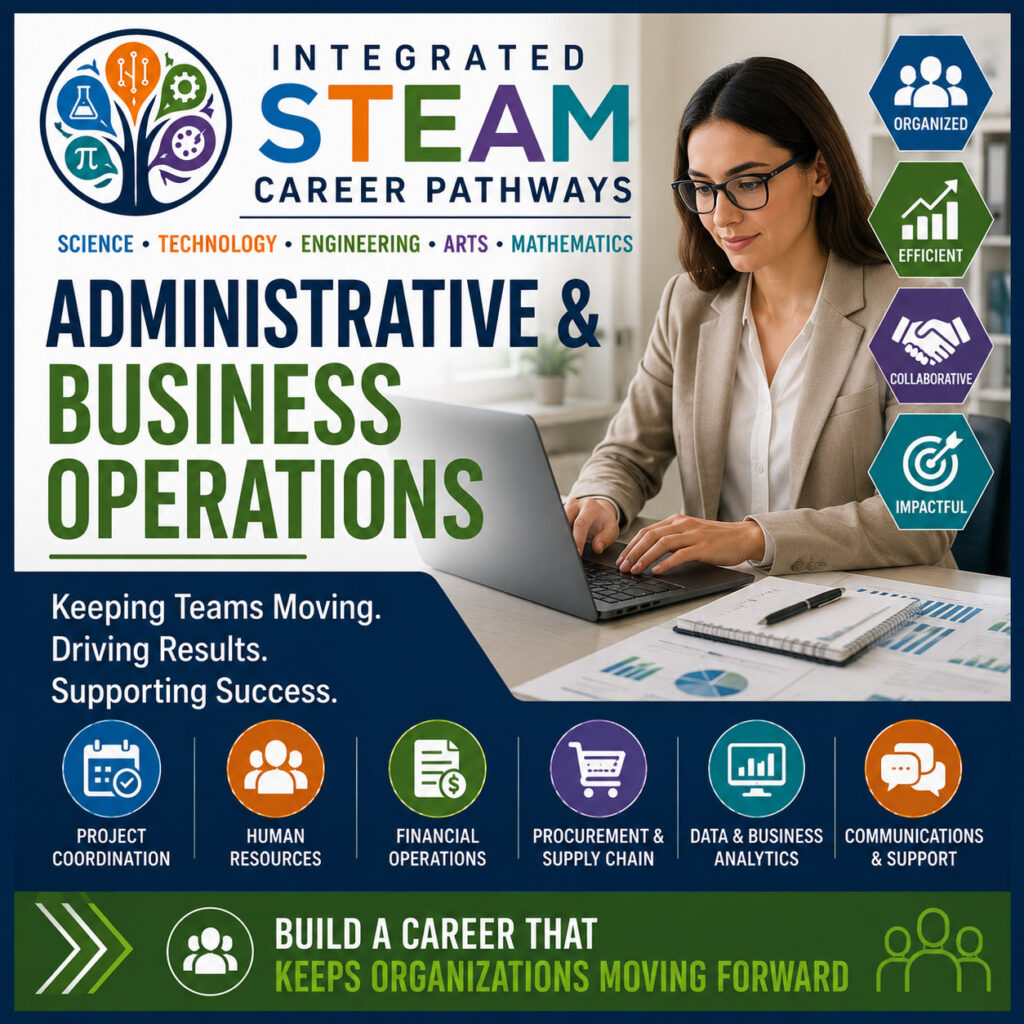
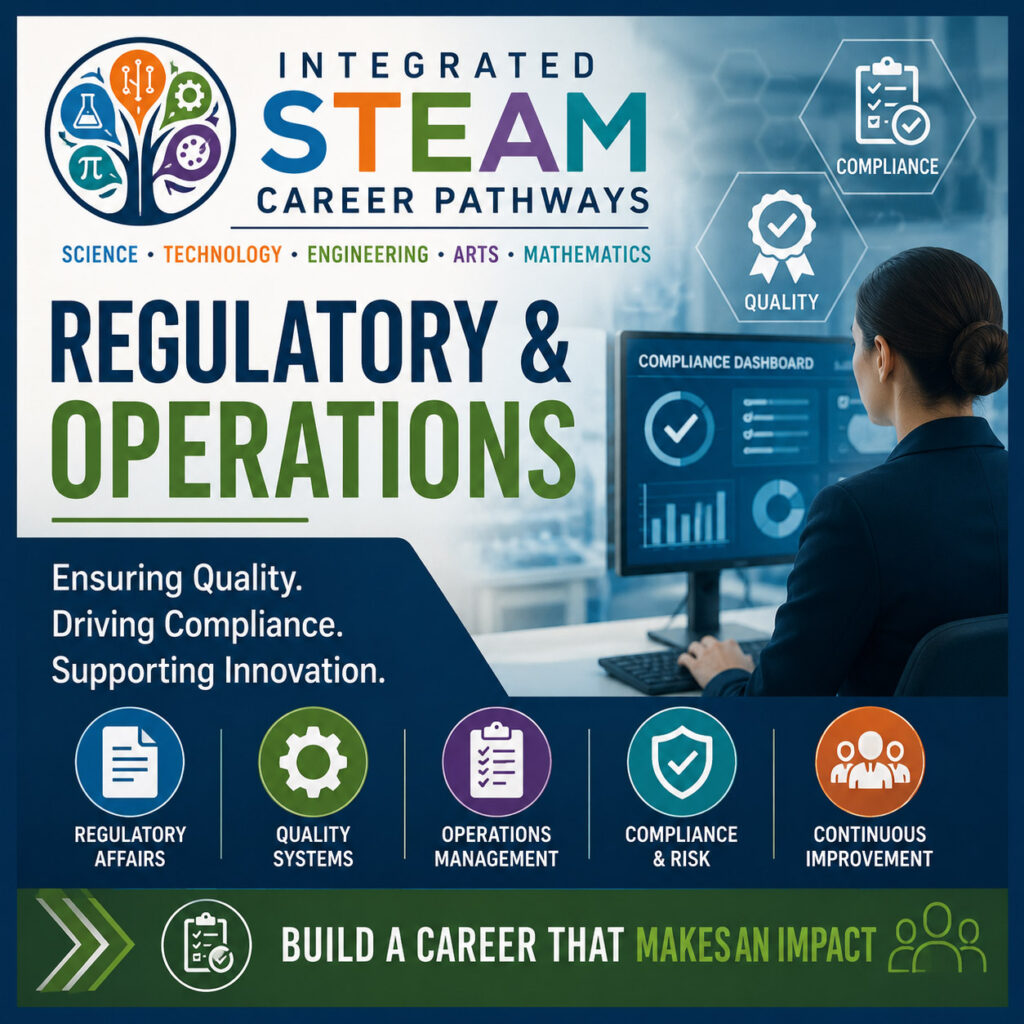
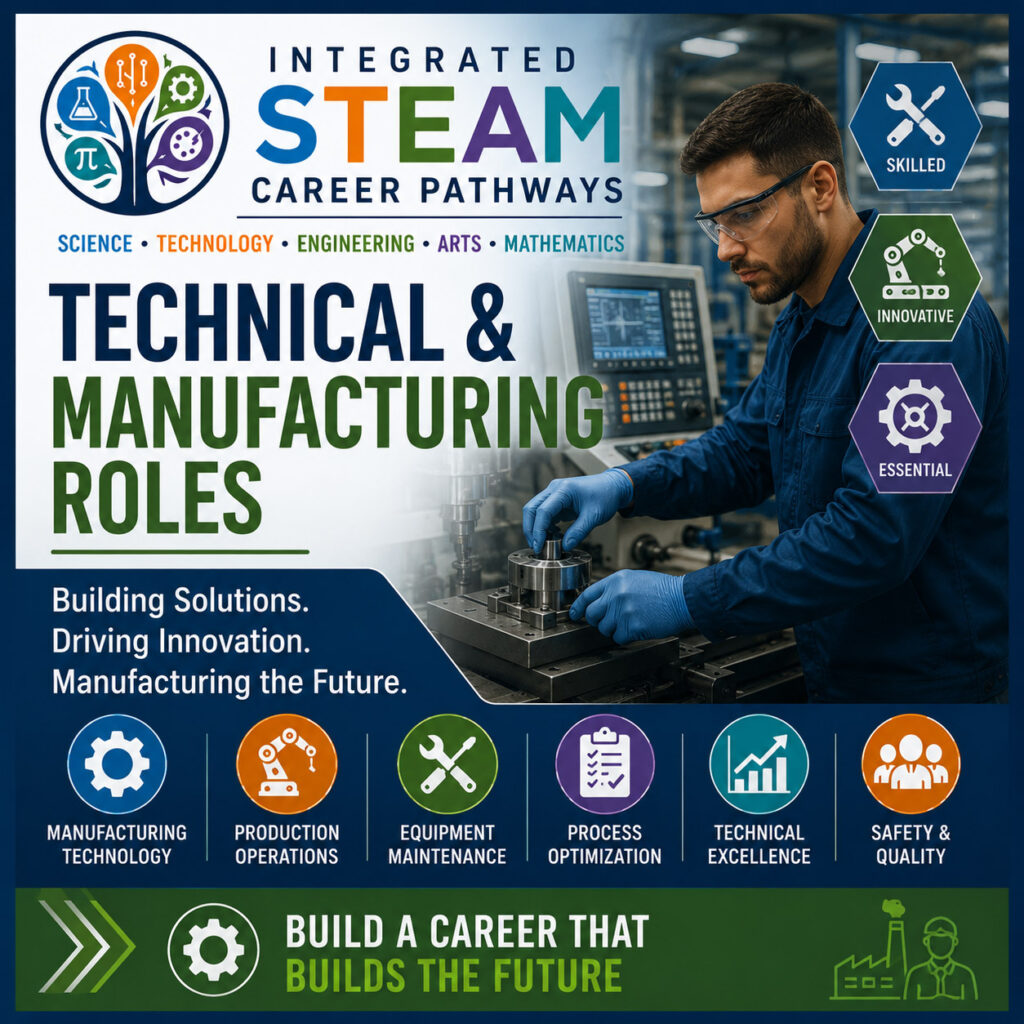
Quality and compliance professionals ensure that products are consistently manufactured, documented, and delivered according to defined standards. In regulated industries, these roles are essential to protecting public health, maintaining trust, and sustaining organizational credibility.
Integrated STEAM prepares students for entry into quality-focused career pathways by embedding systems thinking, documentation discipline, and risk awareness into foundational learning.
These are not abstract administrative functions. They are operational safeguards that shape how science and technology are applied in the real world.

Bench inspection magnifier by marcin049 / Pixabay
What Do Quality & Compliance Professionals Do?
Quality and compliance roles focus on ensuring adherence to established procedures, monitoring process consistency, reviewing documentation for accuracy and completeness, identifying nonconformities, supporting corrective and preventive actions (CAPA), preparing for internal and external audits, and maintaining traceability of materials and products.
Quality and compliance professionals help organizations prevent problems before they occur and respond effectively when they do.
Entry-Level Roles
Students entering this pathway may pursue positions such as Quality Technician, Quality Assurance (QA) Associate, Quality Control (QC) Technician or Analyst, Document Control Specialist, Compliance Coordinator, and Internal Audit Support.
These roles provide strong foundational experience and often serve as entry points to supervisory, engineering, regulatory, or management positions.
Core Competencies Developed Through Integrated STEAM
Integrated STEAM aligns academic instruction with competencies directly applicable to quality functions.
Documentation and Traceability
Understanding why records matter and how documentation supports accountability and safety.
Risk-Based Thinking
Recognizing potential failure points and applying structured problem-solving methods.
Data Literacy
Interpreting data trends, identifying deviations, and supporting evidence-based decision making.
Process Awareness
Understanding how individual tasks connect within larger production and quality systems.
Continuous Improvement
Applying structured approaches to refine processes and reduce variability.
These competencies are cultivated through project-based learning, scenario analysis, and exposure to real-world systems thinking.
Why Quality and Compliance Matter
In regulated industries, quality is not optional. It is foundational.
Products such as medical devices, pharmaceuticals, advanced manufacturing components, and consumer health products must meet strict safety and performance standards. Quality systems ensure product consistency, regulatory alignment, customer confidence, and organizational accountability.
Students who understand quality principles early gain a significant advantage in industries where compliance is mission critical.
Growth and Advancement
Quality roles offer meaningful upward mobility. Career progression paths include positions as a Senior Quality Specialist, Quality Engineer, Supplier Quality Engineer, Compliance Manager, Director of Quality, and Regulatory Affairs Transition Roles.
With additional education and experience, professionals can move into leadership, regulatory strategy, or operational oversight positions.
Industry Applications
Quality and compliance functions are critical in regulated industry. Prominent sectors include medical device manufacturing, pharmaceutical production, biotechnology, advanced manufacturing, aerospace and defense, and food and consumer products.
The underlying principles of structured documentation, traceability, and risk management are transferable across industries.
The Integrated STEAM Advantage
Integrated STEAM does not treat quality as an afterthought. It introduces systems awareness and documentation discipline early, at the high school and post-secondary levels, so students understand how science and engineering operate within real-world constraints.
This alignment between academic preparation and operational expectation strengthens workforce readiness and supports long-term professional growth.