
Career Pathways
Technical and Manufacturing Roles
Technical and manufacturing professionals transform engineering design and scientific innovation into real-world products. They operate the systems, equipment, and processes that bring ideas from prototype to production.
In regulated industries, these roles require more than mechanical skill. They demand precision, documentation discipline, process awareness, and adherence to defined standards.
Integrated STEAM prepares students for entry into technical and manufacturing pathways by combining foundational STEM education with structured exposure to quality systems, process control, and operational thinking.
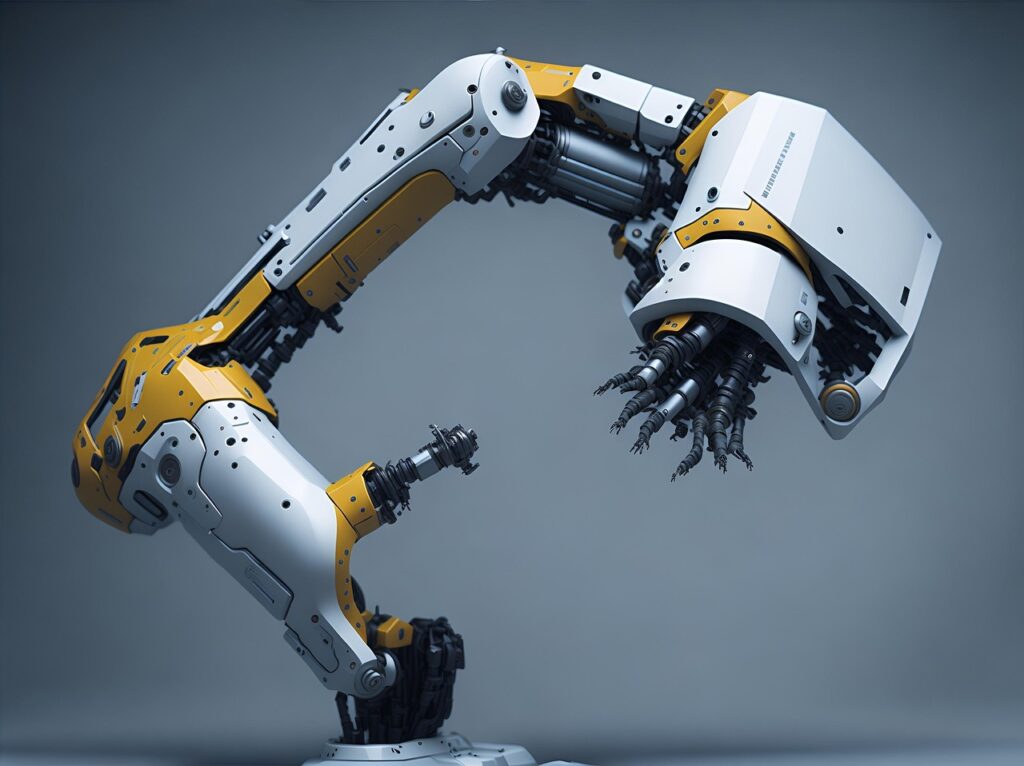
Manufacturing robot image by The Digital Artist / Pixabay
What Do Technical and Manufacturing Professionals Do?
These professionals work on the production floor, in labs, and within controlled manufacturing environments. Their responsibilities often include operating and maintaining production equipment, following detailed work instructions and SOPs, monitoring process parameters, performing in-process inspections, supporting validation and testing activities, recording production data accurately, and troubleshooting process deviations.
They ensure that products are built consistently, safely, and according to specification.
Entry-Level Roles
Students entering this pathway may pursue positions such as Manufacturing Technician, Production Technician, Process Technician, Engineering Technician, Equipment Maintenance Technician, validation Technician, and Assembly Specialist.
These roles provide critical operational experience and serve as strong foundations for advancement into engineering, quality, or supervisory tracks.
Core Competencies Developed Through Integrated STEAM
Integrated STEAM connects classroom learning with applied manufacturing competencies.
Process Discipline
Understanding how standardized procedures ensure product consistency and safety.
Technical Literacy
Interpreting schematics, specifications, and equipment documentation.
Data Recording and Accuracy
Recognizing the importance of traceable, reliable production records.
Problem Solving in Controlled Environments
Diagnosing deviations while maintaining compliance with established protocols.
Systems Awareness
Understanding how individual tasks connect to broader manufacturing and quality systems.
Students learn that technical skill and procedural discipline must operate together.
Why Technical and Manufacturing Roles Matter
Advanced manufacturing drives regional and national economic strength. In regulated sectors such as medical devices, pharmaceuticals, aerospace, and biotechnology, technical professionals play a direct role in product safety, operational efficiency, regulatory compliance, and continuous improvement.
Manufacturing excellence is not accidental. It is built through disciplined execution.
Growth and Advancement
With further education and experience, individuals can transition into quality, engineering, validation, or regulatory roles.
Technical and manufacturing roles offer clear pathways for advancement. Career progression may include positions like Senior Technician, Lead Technician, Manufacturing Engineer, Process Engineer, Production Supervisor, and Operations Manager.
Industry Applications
Technical and manufacturing competencies apply across multiple sectors, including medical device manufacturing, pharmaceutical production, biotechnology, aerospace and defense, advanced materials, automotive manufacturing, and food and consumer products.
The ability to operate within structured production environments is highly transferable.
The Integrated STEAM Advantage
Integrated STEAM prepares students to enter manufacturing environments with familiarity with structured documentation, awareness of quality systems, understanding of regulated production standards, and exposure to risk-based thinking.
This alignment reduces onboarding friction and strengthens workforce readiness. Students graduate not only with technical exposure, but with the operational mindset required in high-demand industries.